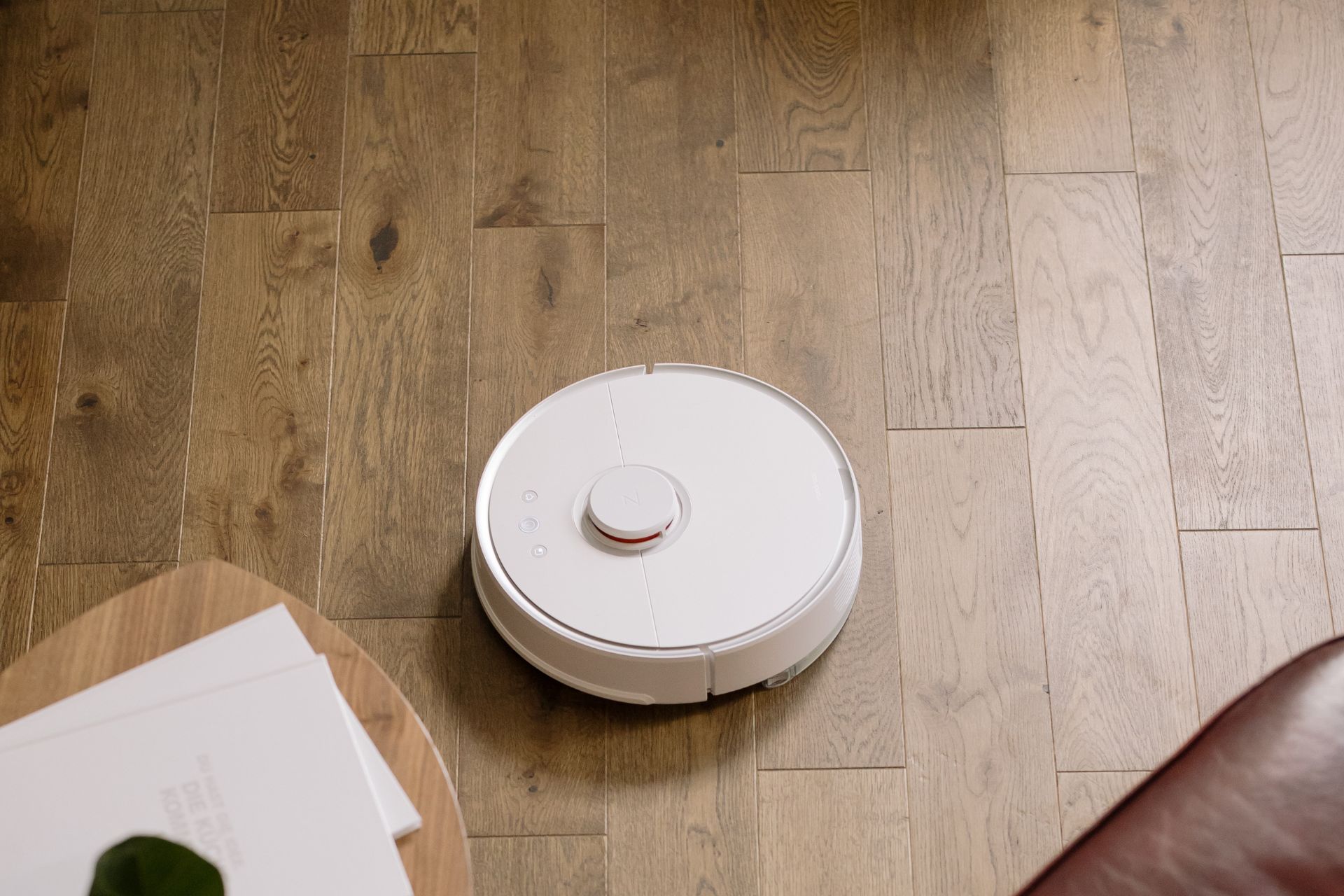
Choosing the right vacuum cleaner for hardwood floors can feel overwhelming—especially as robot vacuums become more advanced each year. Hardwood flooring requires delicate maintenance, and not every robot vacuum is built to treat it gently while still delivering strong cleaning performance. This guide will help you understand exactly what to look for when selecting a robot vacuum designed to protect and clean hardwood floors efficiently and safely.
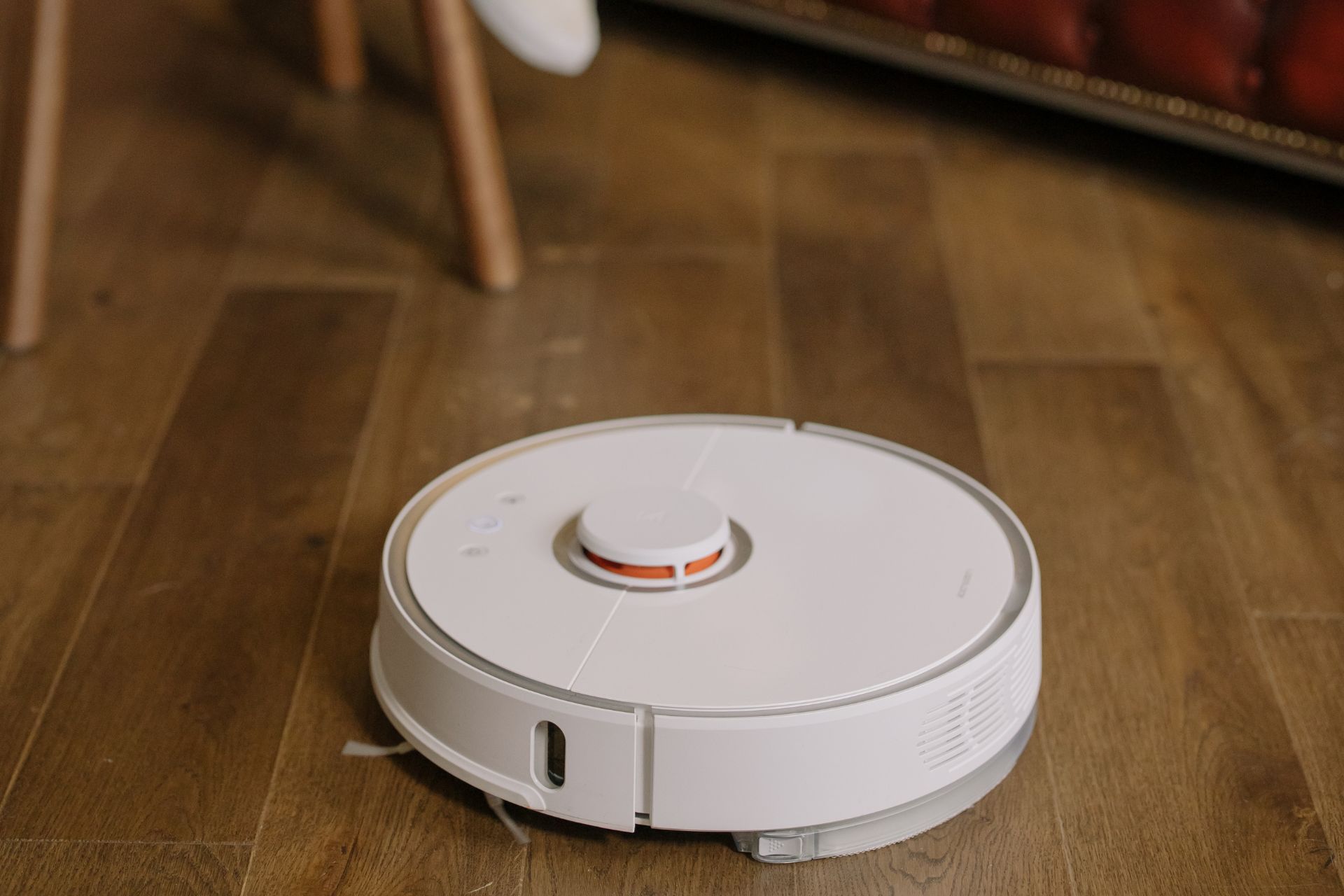
Understanding the Unique Needs of Hardwood Floors
Hardwood floors may appear smooth and resilient, but they are more vulnerable to scratches, moisture, and gradual wear than many homeowners realize. A robot vacuum designed for carpets could easily damage wooden surfaces with stiff bristles, aggressive wheels, or poorly calibrated suction. That’s why choosing the right machine is not only about efficiency—it’s about long-term floor protection.
A quality robot vacuum should maintain the natural shine of hardwood, reach corners thoroughly, and avoid scattering debris across the surface. When making your choice, the features that matter the most will differ significantly from what you’d prioritize for carpets or tiles.
Key Features to Look for in a Robot Vacuum Cleaner for Hardwood Floors
1. Soft Brush Roll or Brushless Design
Brushes are essential for picking up dust and debris, but they must be hardwood-friendly. Look for robot vacuums with:
- Rubberized brush rolls that won’t scratch the surface
- Brushless or silicone brush systems designed to glide gently
- Tangle-free technology for smooth and quiet operation
Avoid stiff bristles, which can cause micro-scratches.
2. Strong but Adjustable Suction Power
Hardwood floors don’t need carpet-level suction, but they do benefit from consistent airflow that lifts dust trapped between boards. Choose models offering:
- Adjustable suction settings
- Eco-mode for daily cleaning
- High-power mode for corner buildup
Advanced robot vacuums automatically adapt suction based on flooring type, ensuring maximum efficiency without unnecessary battery drain.
3. Reliable Navigation and Smart Sensors
Hardwood floors often show marks easily, and a robot vacuum that bumps into furniture repeatedly can cause dents or scuffs. Look for:
- Precision LIDAR or camera-based mapping
- Anti-collision sensors
- Cliff-detection for stairs
- Real-time obstacle recognition
A robot vacuum cleaner with strong navigation reduces the risk of impact damage, protects baseboards, and delivers more consistent cleaning patterns.
4. High-Quality Side Brushes
Side brushes are crucial for cleaning along floor edges, baseboards, and under cabinets. Choose models with:
- Soft bristles
- Slow, controlled rotation
- Replaceable brush heads
Aggressive high-speed spinning is unnecessary for hardwood floors and can scatter debris.
5. Battery Life and Runtime
Robot vacuums for large hardwood areas need long-lasting batteries. Look for:
- Runtime of at least 90 minutes
- Auto-recharge & resume function
- Efficient power management
This ensures the vacuum can complete its cleaning cycle without frequent interruptions.
6. Low Noise Operation
Hardwood floors amplify vibration and sound, making quiet operation a valuable feature. A noise level of 55–65 dB is ideal for peaceful cleaning without disrupting the household.
7. Good Filtration System
Dust on hardwood floors becomes airborne easily. A vacuum with a HEPA or high-grade filter prevents:
- Dust circulation
- Allergy triggers
- Lingering odors
This feature is especially important in homes with pets or children.
8. Scratch-Proof Wheels
A robot vacuum’s wheels are direct contact points with your flooring. Choose models with:
- Rubber-coated wheels
- Smooth rotation
- No sharp edges
This prevents long-term wheel-track scratches.
Special Considerations for Homes With Mixed Flooring
Many homes combine hardwood with tiles, rugs, or low-pile carpets. A high-quality robot vacuum cleaner should transition between surfaces smoothly. Key features to consider:
- Automatic suction adjustment
- Anti-tangle technology for rug fringes
- Smart mapping to identify flooring types
- Ability to climb transitions without dragging debris
These capabilities help maintain consistency and prevent cross-floor dust distribution.
Additional Smart Features Worth Having
App Control & Scheduling
Modern robot vacuums come with user-friendly apps that offer:
- Custom cleaning schedules
- Zoned cleaning
- No-go boundaries
- Multi-floor maps
These features offer convenience and precision—perfect for homeowners with busy lifestyles.
Voice Assistant Compatibility
Integration with Alexa or Google Assistant allows:
- Hands-free control
- Quick commands
- Smart home automation
Dirt Detection & Targeted Cleaning
Some advanced models pinpoint heavily soiled areas and focus cleaning there, improving overall efficiency.
Maintenance Tips to Keep Your Hardwood Floors Safe
A robot vacuum cleaner requires proper maintenance to avoid accidentally damaging floors. Follow these recommendations:
- Clean brush rolls weekly
- Replace side brushes and filters regularly
- Remove stuck debris from the wheels
- Wipe sensors to maintain navigation accuracy
- Empty the dustbin after each cycle
A well-maintained robot vacuum performs better and prolongs the lifespan of your flooring.
Best Types of Robot Vacuums for Hardwood Floors
1. Models with Rubber Brush Rolls
These offer the safest cleaning on wooden surfaces. They glide smoothly and reduce scratch risk.
2. Robot Vacuums with Brushless Suction Ports
Some robot vacuums eliminate brush rolls entirely, using suction power alone—ideal for delicate floors.
3. Self-Cleaning Models
For those wanting less maintenance, self-cleaning and self-emptying robot vacuums ensure consistent performance with minimal effort.
4. Hybrid Mop & Vacuum Robots
If you choose a hybrid model, ensure it has:
- Controlled water output
- No-drag mop pads
- Wood-safe mopping modes
Over-wetting hardwood can cause warping, so avoid models with unregulated water tanks.
Common Mistakes to Avoid When Buying a Robot Vacuum Cleaner for Hardwood Floors
1. Choosing High-Aggression Brush Rolls
Hard bristles can scratch varnish and dull the finish over time.
2. Buying a Carpet-Focused Robot Vacuum
Models designed primarily for carpets often have strong agitation brushes unsuitable for hardwood.
3. Ignoring Wheel Design
Wheels with exposed hard plastic edges may leave marks.
4. Selecting Units Without Smart Navigation
Random navigation patterns lead to repeated bumps and unnecessary wear.
5. Overlooking Height & Furniture Clearance
Ensure the robot fits under sofas, cabinets, and beds without getting stuck.
6. Forgetting Noise Levels
Hardwood amplifies noise, so overly loud models can be disruptive.
Can Robot Vacuums Replace Traditional Vacuum Cleaners?
Robot vacuums are incredibly convenient and effective for daily cleaning, especially on hardwood floors. However, they cannot fully replace traditional vacuum cleaners in every situation. Traditional vacuums provide:
- Deep cleaning capability
- Upholstery and crevice attachments
- Stronger suction for carpets
- Better pet hair removal on furniture
Robot vacuums excel at maintaining cleanliness between deep cleaning sessions. They are ideal for everyday dusting and debris pick-up but work best as supplements, not complete replacements, for a full-size vacuum cleaner.
How to Choose a Good Cordless Vacuum for Pet Owners?
Pet owners face unique challenges—hair, dander, odors, and constant shedding. A good cordless vacuum should include:
- High suction power
- Anti-tangle brush rolls
- HEPA filtration
- Lightweight design
- Long battery life
- Wide attachments for upholstery
For hardwood floors, pet-friendly cordless vacuums with soft roller heads can gently remove fur without scratching the surface.
Conclusion
Choosing the right robot vacuum cleaner for hardwood floors is an investment in both cleanliness and long-term floor protection. By prioritizing features like gentle brush systems, smart navigation, strong filtration, and floor-safe wheels, you ensure that your hardwood maintains its beauty while enjoying the convenience of automated cleaning. The ideal robot vacuum delivers consistent, efficient results—helping keep your home spotless without sacrificing the health of your flooring.