Introduction
A vacuum cleaner is one of the most essential home appliances, yet many people rarely think about the sound it produces until it becomes annoyingly loud. Understanding how many decibels a vacuum cleaner generates can help you choose a quieter model, protect your hearing, and maintain a more peaceful environment. In this in-depth guide, we explore vacuum cleaner noise levels, why they vary, what affects them, and how to select the best option for your cleaning needs.
What Decibels Really Mean in Vacuum Cleaner Noise Measurement
Before exploring the typical sound range of a vacuum cleaner, it’s important to understand the decibel (dB) scale. Unlike linear measurements, the decibel scale is logarithmic. This means that every increase of 10 dB represents a sound roughly twice as loud to the human ear.
For example:
- 40 dB = quiet library
- 60 dB = normal conversation
- 80 dB = busy street
- 90+ dB = potentially harmful with long exposure
A standard household vacuum cleaner generally falls between 60 and 85 decibels, depending on design, motor power, airflow, and insulation. That range plays a huge role in determining your comfort during routine cleaning.
Typical Decibel Range of a Vacuum Cleaner
Household vacuums vary widely in noise output because no two designs are exactly alike. Below is a general breakdown of what you can expect from different categories:
Quiet Vacuum Cleaner Models (55–65 dB)
These are designed for noise-sensitive environments such as apartments, young families, or shared living spaces. Many stick vacuums and canister vacuums engineered with acoustic padding fall within this range.
Standard Vacuum Cleaner Models (65–75 dB)
This category includes most upright vacuums and mid-range canister models. They produce noticeable sound but still allow conversation without shouting.
High-Power Vacuum Cleaner Models (75–85+ dB)
Industrial vacuums, shop vacs, and older upright models often fall here. Though effective for heavy cleaning, they produce loud noise that can be uncomfortable if used for extended periods.
Each category is influenced not only by motor strength but by airflow resistance, brushroll design, and filtration system.
Factors That Affect How Loud a Vacuum Cleaner Is
Even models with similar motors can have drastically different decibel ratings because many engineering factors influence sound output.
1. Motor Size and Speed
A more powerful motor generates stronger suction, but it also produces more vibration and airflow noise. High-RPM motors increase pitch, creating sharper, more noticeable sound.
2. Airflow Path and Turbulence
The sound of a vacuum cleaner is often caused by rapid movement of air. When airflow meets resistance—such as narrow hoses, sharp turns, or clogged filters—noise increases.
3. Filtration and Dust Bin Design
HEPA filters, multi-stage filtration systems, and cyclone chambers affect noise levels. While high-quality filters can quiet operation, poorly sealed chambers can amplify sound.
4. Brushroll and Floor Head Construction
Brushrolls with stiff bristles or rotating components generate additional noise. A smoother, rubberized brushroll often produces quieter operation.
5. Housing Material and Acoustic Insulation
Modern vacuum cleaners frequently include noise-dampening foam or multi-layer plastic panels that absorb mechanical vibrations. Older models rarely include these innovations.
Why Understanding Vacuum Cleaner Decibels Matters
Noise levels are more than an annoyance—they can impact daily life, personal comfort, and even health.
Protecting Your Hearing
Prolonged exposure to noise above 85 dB can damage hearing over time. Although most vacuum cleaners stay below this threshold, industrial or outdated models sometimes exceed it.
Improving Household Comfort
A quieter vacuum cleaner allows you to clean early in the morning, late at night, or while family members are sleeping without disturbing anyone.
Better for Pets and Children
Pets often have sensitive hearing, making standard vacuum noise alarming or distressing. Choosing a quieter model reduces household stress for both pets and young children.
Enhanced Cleaning Experience
Less noise can make routine cleaning more enjoyable. You can hear music, listen to instructions from a smart assistant, or speak to someone without raising your voice.
How Vacuum Cleaner Types Compare in Noise Levels
Each vacuum cleaner category has its own acoustic signature. Understanding these differences can help you make better buying decisions.
Upright Vacuum Cleaners
Uprights are known for strong suction but typically produce 70–80 dB due to their large motors and fast-spinning brushrolls. Modern designs with sound-absorbing materials can be quieter.
Canister Vacuum Cleaners
These are usually quieter, ranging from 60–72 dB, partly because the motor is housed farther from the floor head and because canisters often include internal insulation.
Stick Vacuum Cleaners
Lightweight stick vacuums generally range from 60–75 dB. Brushless motors in premium models often create a more pleasant tone.
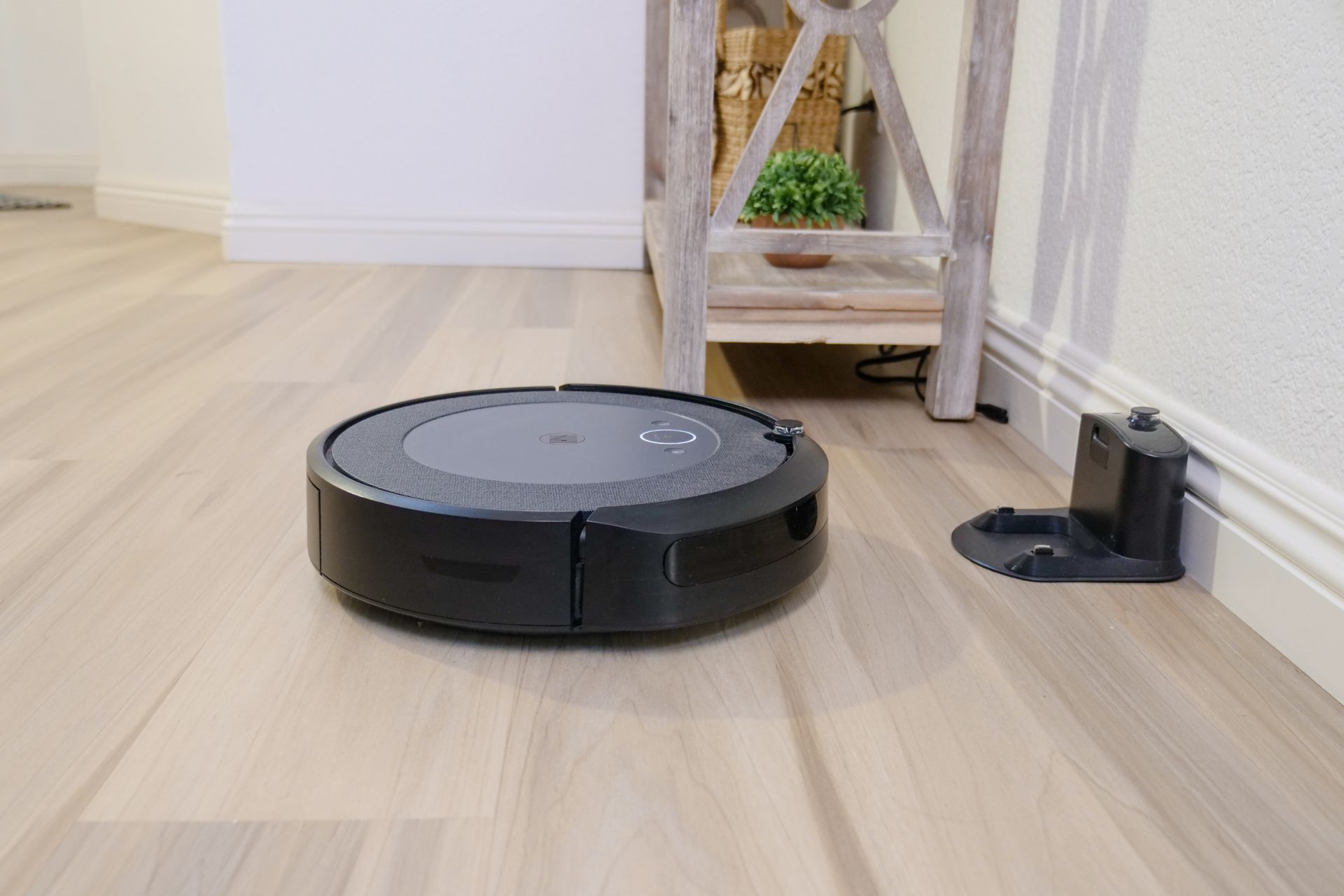
Robotic Vacuum Cleaners
Robots typically produce 55–70 dB, making them relatively quiet. Their smaller motors and compact design reduce airflow noise.
Shop Vacs and Industrial Vacuum Cleaners
These are the noisiest, often producing 80–95 dB or more. Their emphasis on raw suction power sacrifices acoustic engineering.
How to Reduce Vacuum Cleaner Noise Without Replacing It
If you’re not ready to buy a new appliance, several methods can help reduce the noise of your current vacuum cleaner.
1. Clean the Filters Regularly
Clogged filters force the motor to work harder, increasing both pitch and volume. Cleaning or replacing filters reduces strain and noise.
2. Empty the Dust Bin or Bag Frequently
A full bin restricts airflow and causes vibrations. Keeping the bin clear ensures smoother airflow.
3. Check for Air Leaks
Cracks, gaps, or loose connections cause whistling or hissing sounds. Sealing or replacing worn parts can make a big difference.
4. Maintain the Brushroll
Hair tangles create friction, causing louder operation. Cleaning the brushroll improves efficiency and reduces noise.
5. Use a Carpet or Rug for Cushioning
Hard floors amplify sound. Vacuuming over carpets dampens vibration and lowers overall noise.
6. Add Sound-Dampening Pads
Foam insulation around the motor housing (only when safely accessible) can absorb vibration and reduce noise levels by several decibels.
Ideal Noise Levels When Buying a New Vacuum Cleaner
If you’re shopping for a quieter vacuum cleaner, here’s what to look for:
- Below 65 dB: Extremely quiet, ideal for apartments or shared living spaces.
- 65–72 dB: Standard noise level with comfortable performance.
- Above 72 dB: Powerful but louder; best for large homes or heavy-duty cleaning.
For most households, choosing a vacuum cleaner around 60–70 dB strikes the perfect balance between suction power and comfort.
How Manufacturers Design Quieter Vacuum Cleaners
Modern engineering has introduced several innovations that significantly reduce noise output.
Improved Motor Technology
Brushless motors operate more smoothly, creating less vibration and generating a lower frequency sound that is less harsh.
Sound-Absorbing Chambers
Some manufacturers install layered insulation inside the vacuum cleaner housing to reduce both motor noise and airflow turbulence.
Redesigned Airflow Systems
Smoother air pathways reduce resistance and minimize whining or buzzing sounds.
Low-Noise Brushrolls
Rubber blades or soft bristles reduce scraping sounds on hard floors.
Suspended Motor Mounts
Motor platforms designed to “float” absorb movement and limit vibration transfer.
These innovations allow powerful vacuum cleaners to operate at significantly lower decibel levels than older models.
Frequently Asked Questions About Vacuum Cleaner Noise Levels
Is a 70 dB vacuum cleaner loud?
It is noticeable, but not overly loud. Most modern upright models fall in this range and are comfortable for everyday use.
Can a vacuum cleaner damage hearing?
Standard household vacuums are generally safe, but extremely loud industrial vacuums or prolonged exposure above 85 dB may pose risks.
Are cordless vacuum cleaners quieter?
Often, yes. Cordless models use efficient motors that tend to produce smoother, less aggressive sound profiles.
Do expensive vacuum cleaners make less noise?
Higher-end brands often invest in noise-reducing technology, but price alone does not guarantee quiet operation.
Tips for Choosing the Quietest Vacuum Cleaner for Your Home
When noise level is a priority, consider the following:
- Check the dB rating before buying; lower is better.
- Choose vacuum cleaners with brushless motors.
- Look for models labelled as quiet technology or low-noise design.
- Prefer canister or stick models, which are naturally quieter.
- Read user reviews mentioning tone, not just volume—some noises feel harsher despite similar dB ratings.
By paying attention to these factors, you can confidently select a vacuum cleaner that delivers powerful cleaning without disrupting your living space.
Conclusion
Knowing how many decibels a vacuum cleaner produces empowers you to make informed decisions for comfort, safety, and home environment quality. With the wide range of models available today, it’s easier than ever to find a high-performance, low-noise solution that suits your lifestyle. Whether you’re upgrading your appliance or learning how to reduce noise at home, understanding the sound dynamics of a vacuum cleaner ensures a more enjoyable and peaceful cleaning experience.