Introduction
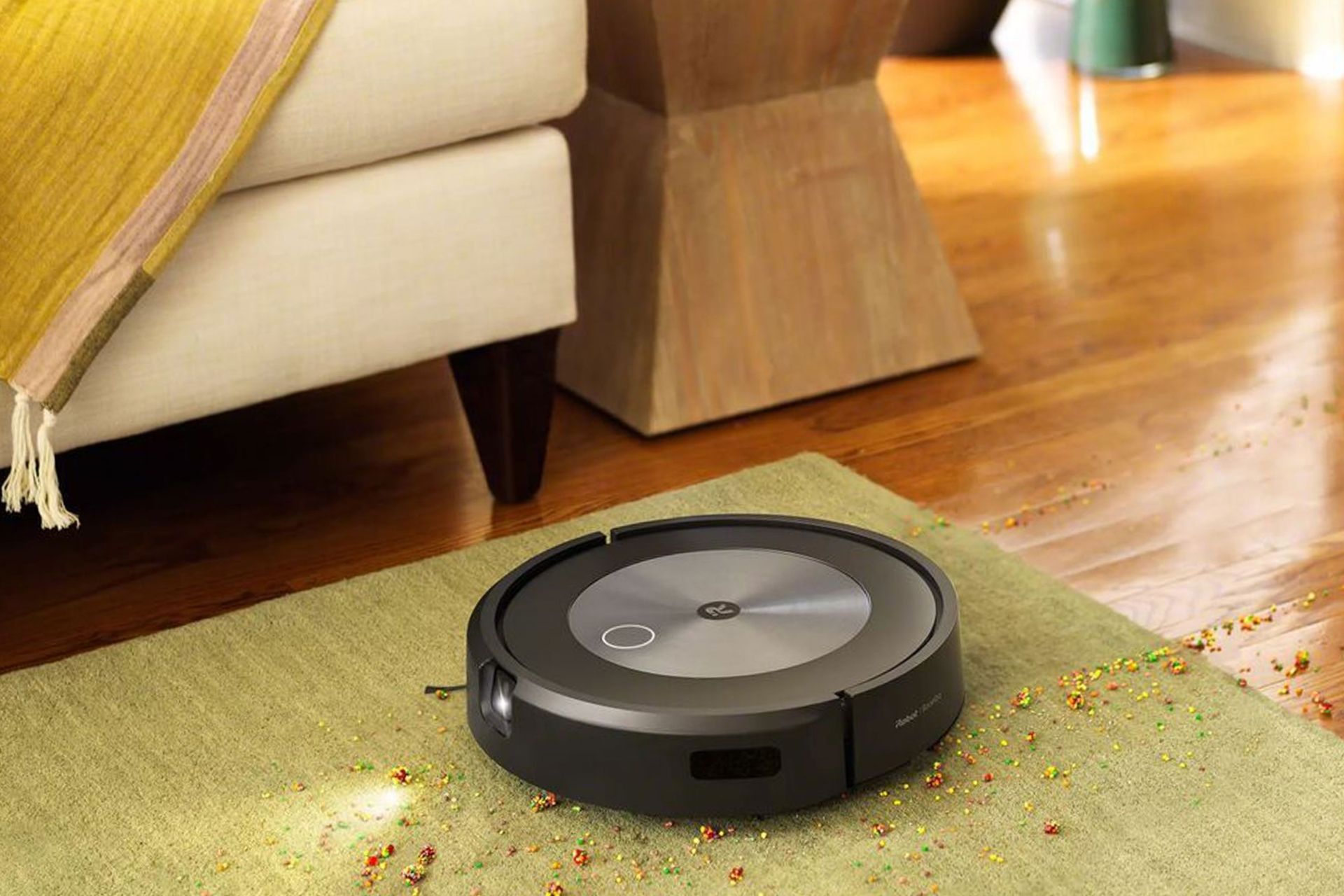
Robot Vacuums have transformed the way we maintain clean homes, offering unrivaled convenience, automation, and adaptability. Yet one common question remains: Can robot vacuums climb stairs? While these devices excel in many areas, their ability to navigate elevation changes is still limited by technical and safety constraints. This article explores why they cannot climb stairs, the science behind their movement, and the best solutions for multi-level households.
How Robot Vacuums Move and Navigate
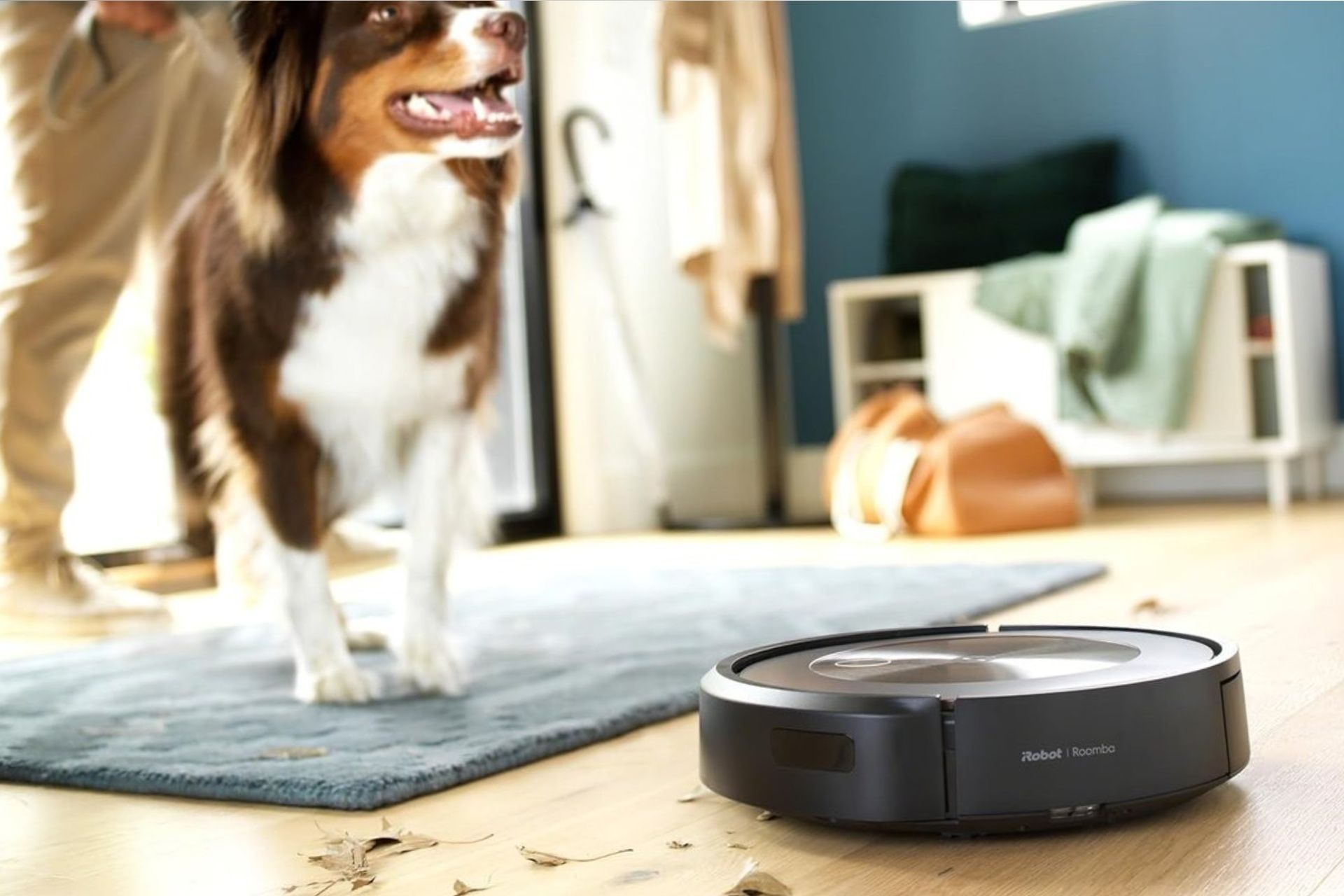
Robot Vacuums operate using a combination of sensors, mapping technologies, motors, and algorithms that help them traverse flat surfaces smoothly. Their wheels are designed for slight elevation shifts, such as thick carpets or small thresholds. Most models include anti-drop sensors to prevent falling down staircases.
These sensors constantly scan the floor for edges and sudden height changes. When a steep drop is detected, the robot halts immediately. This protective mechanism, while essential for preventing damage, also makes it impossible for the device to attempt climbing elevated steps.
Why Robot Vacuums Cannot Climb Stairs
While they can navigate around furniture and transition between floor types, Robot Vacuums cannot climb stairs because of their structural and mechanical limits:
1. Wheel and Motor Limitations
The wheels on Robot Vacuums are engineered for stability and traction on flat surfaces. Even advanced models only handle height variations of about 1.5–2 cm. Stairs are significantly higher, requiring leg-like mechanics rather than rotating wheels.
2. Safety Sensors
Anti-drop sensors play a critical role in detecting cliffs and preventing falls. These same sensors stop the robot from even attempting to move upward onto a stair step, ensuring safety but limiting vertical mobility.
3. Weight and Balance Constraints
To climb a stair, the robot would need to lift a significant portion of its body weight upward. This requires complex engineering similar to that found in quadruped robots—not feasible in small, affordable home appliances.
4. Cost and Design Practicality
Integrating stair-climbing abilities would dramatically increase cost, size, and energy consumption. For now, manufacturers prioritize affordability, portability, and battery efficiency over advanced locomotion abilities.
Can Any Robot Vacuums Handle Multi-Level Cleaning?
Even though Robot Vacuums cannot physically climb stairs, many can operate across multiple floors with ease. This is made possible through features such as:
Advanced Multi-Floor Mapping
High-end robot models can store maps for several floors. Users can manually lift the device to a new level, and it will automatically recognize the environment and begin cleaning without re-mapping from scratch.
Automatic Docking and Resuming
On each floor, you can place a separate charging dock. When moved manually, the robot will dock itself on the appropriate floor and continue scheduled cleaning tasks.
Localized Cleaning Modes
Users can choose specific rooms or zones across multiple floors, allowing targeted cleaning without requiring the robot to roam freely across levels.
Stair-Related Challenges Robot Vacuums Already Solve
Although climbing remains impossible, modern robots tackle several stair-adjacent problems:
Accurate Edge Detection
Thanks to precise sensors, robots can clean right up to stair edges without falling. Models with lidar or structured-light sensors achieve even higher accuracy.
Cleaning Stair Landings
If you place the robot at the top or bottom landing, it can clean the entire area safely. Its mapping algorithm will ensure thorough coverage without risking a drop.
Transition Handling
Many Robot Vacuums handle transitions between tiles, hardwood, and carpets seamlessly. This allows full-floor cleaning even in homes with mixed flooring layouts.
Are Stair-Climbing Robot Vacuums Possible in the Future?
The idea of stair-climbing robots is not unrealistic—several robotics companies already build robots with legs or advanced treads. However, these machines are expensive, heavy, and designed for industrial or military use.
Technologies Needed for Stair-Climbing Ability
To climb stairs safely, a household cleaning robot would require:
- Legged locomotion or extendable tracks
- Greater power output and stronger motors
- Advanced balancing algorithms
- Sophisticated stair-detection sensors
- Higher-capacity batteries
While this technology exists, integrating it into compact, affordable consumer Robot Vacuums is still far from practical.
Practical Solutions for Cleaning Stairs in Multi-Level Homes
Even without stair-climbing abilities, you can maintain a clean multi-level home using smart strategies.
1. Use Multiple Robot Vacuums
The simplest solution is to place one robot on each floor. This is particularly effective for:
- Large multi-story homes
- Homes with pets
- Busy households needing automation
Having dedicated Robot Vacuums ensures consistent cleaning without any manual movement.
2. Manually Move the Robot Between Floors
For smaller homes, simply carrying the robot to another floor is a cost-effective method. With multi-floor mapping capabilities, it will quickly adapt and begin cleaning autonomously.
3. Use a Handheld Vacuum for Stairs
Since stair surfaces have angles and vertical faces, handheld vacuums remain the most efficient tools for deep cleaning stairs. Combining them with Robot Vacuums ensures complete coverage of every area.
4. Consider Robot Mop/Vacuum Hybrids
Hybrid models allow both vacuuming and mopping across floors, reducing the need for manual cleaning and enhancing overall hygiene.
Benefits of Robot Vacuums in a Multi-Level Home
Even without climbing abilities, Robot Vacuums offer numerous advantages:
Smart Automation
Scheduled cleaning ensures every floor stays spotless even when you’re busy.
Deep Floor Coverage
Through intelligent mapping, models handle an entire level thoroughly, reaching tight spaces under furniture.
Energy and Time Savings
Instead of vacuuming multiple floors manually, you only need to handle stairs and occasional tidying.
Improved Indoor Hygiene
Robot Vacuums capture dust, allergens, pet hair, and fine particles, enhancing air quality throughout the home.
Common Myths About Robot Vacuums and Stairs
Myth 1: Some robot vacuums can climb small steps.
Fact: Even small raised steps exceed the height limit wheels can manage.
Myth 2: Robots might fall down stairs if the sensors fail.
Fact: High-quality models use multiple anti-drop sensors, making falls extremely rare.
Myth 3: Robot Vacuums are ineffective for multi-level homes.
Fact: With manual repositioning or multiple units, they clean multi-level homes efficiently.
What Features Should You Look for When Buying Robot Vacuums for Multi-Level Homes?
Choosing the right robot involves ensuring it can support multi-floor cleaning.
1. Multi-Level Mapping Support
This is crucial for homes with more than one story. The robot should store separate maps and automatically adapt when moved.
2. Long Battery Life
For larger floors, a high-capacity battery ensures uninterrupted cleaning.
3. Precise Navigation Sensors
Lidar or advanced camera-based mapping helps with accurate floor scanning and efficient cleaning paths.
4. Strong Suction Power
This helps on carpets, hardwood, and tile surfaces across all floors.
5. Stable Edge Detection Sensors
Reliable cliff sensors prevent accidents while cleaning near stair edges.
Conclusion
Robot Vacuums cannot climb stairs due to limitations in mechanical design, safety sensors, and structural balance. However, they excel at multi-level cleaning when assisted by manual repositioning or the use of multiple devices. As technology advances, stair-climbing capabilities may eventually arrive, but for now, the combination of smart mapping, powerful suction, and automated cleaning makes Robot Vacuums essential tools for maintaining spotless homes. With thoughtful planning and the right model, you can enjoy seamless cleaning convenience on every floor—proving once again how valuable Robot Vacuums are in modern living.