
Introduction
Robot Vacuum Size plays a major role in how effectively a robotic cleaner navigates, maneuvers, and completes daily cleaning tasks. While many buyers focus on suction power or smart features, physical dimensions and shape influence performance just as much. Understanding how size and form factor determine reach, movement, and versatility can help you make a more informed purchasing decision.
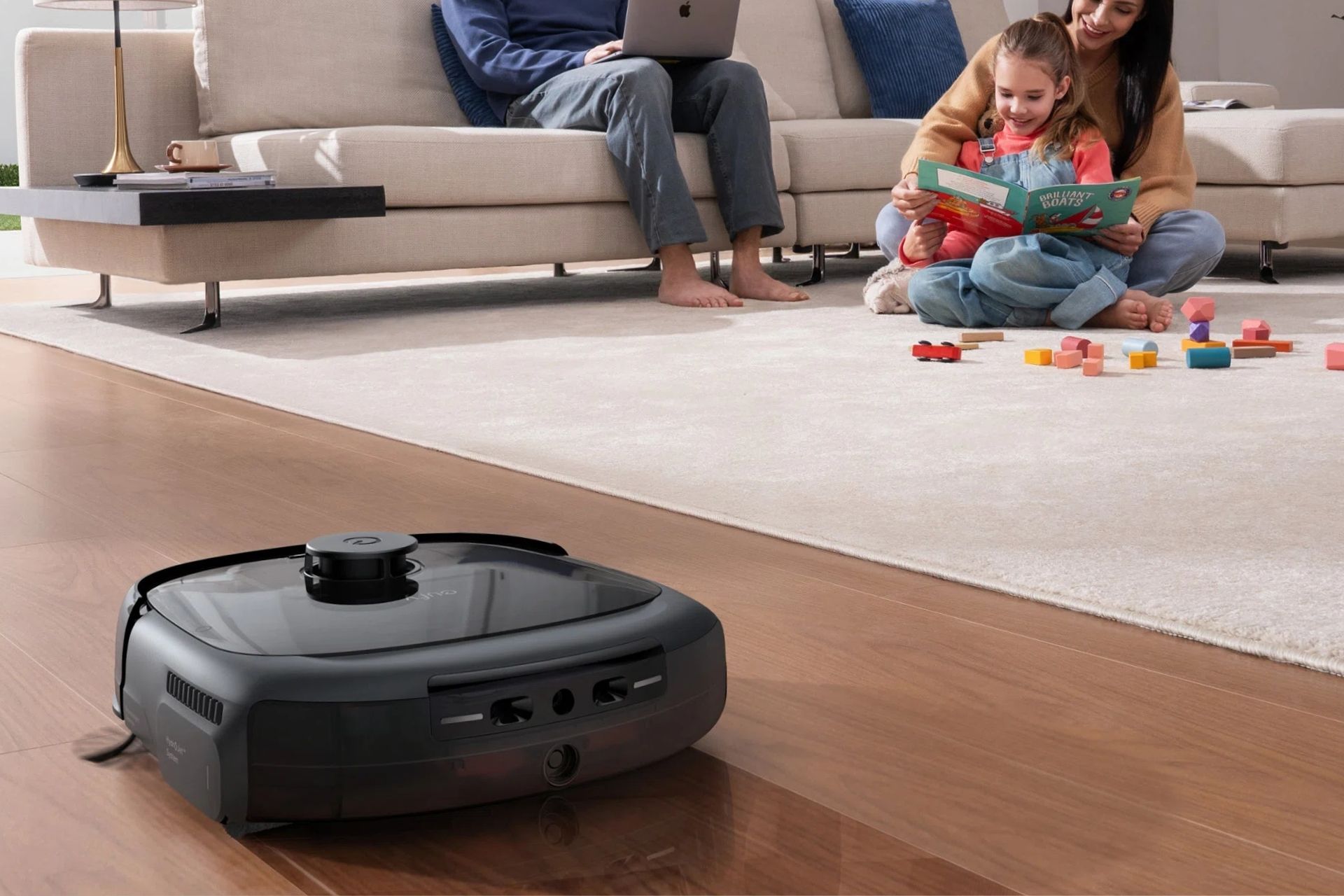
Why Robot Vacuum Size Influences Cleaning Performance
Different homes require different robotic vacuum dimensions. The height, width, and overall footprint of a device affect the areas it can reach and its ability to operate smoothly.
Height Determines Access to Hidden Spaces
The height of a robot vacuum dictates whether it can move under beds, sofas, TV stands, and other low-clearance furniture. A slim Robot Vacuum Size increases access to dust-prone areas that manual vacuums often miss. In contrast, taller units may clean more forcefully but struggle with squeezing into tight spaces.
Width Impacts Maneuverability
The diameter of the robot determines how easily it navigates between chair legs, along narrow passages, and around irregular furniture layouts. Narrower robots tend to handle compact rooms better, while wider models cover more ground with each sweep.
Size Affects Dustbin Capacity
A larger robot typically includes a bigger dustbin, reducing the frequency of emptying. Smaller units require more frequent maintenance, which may matter in houses with pets or high debris levels.
Larger Devices Support Stronger Motors
Robots with bigger builds often offer enhanced suction due to larger motors and increased internal space. This design often benefits thicker carpets and heavy dirt accumulation.
How Shape Enhances or Limits Cleaning Efficiency
Shape plays an equally important role as Robot Vacuum Size, especially when cleaning edges, corners, and complex layouts.
Round Robots Offer Smooth Navigation
Circular robots are common because they glide around obstacles easily. Their rounded design reduces collision risks and enables smooth turning. However, this shape can leave small gaps in corner cleaning since circular edges don’t naturally fit into angled spaces.
D-Shaped Robots Reach Corners More Effectively
D-shaped designs include a straight edge that aligns more closely with walls and room edges. This feature helps capture dust along baseboards and inside corners. They may require more advanced sensors to avoid bumping due to their angular shape.
Hybrid Shapes Provide Balanced Cleaning
Some models blend curved sides with straight edges to balance maneuverability and precision. These designs aim to handle both corners and open areas efficiently.
Robot Vacuum Size and Navigation Technology
Navigation systems vary, and Robot Vacuum Size influences how these technologies perform.
LIDAR Towers Increase Height
Robots equipped with LIDAR scanning often require extra top height for the rotating sensor. This addition improves mapping accuracy but may inhibit the robot from sliding under low furniture.
Compact Cameras Support Slimmer Profiles
Camera-based navigation allows more streamlined robot construction. These units can be shorter, providing access to tight spaces while maintaining impressive mapping capabilities.
Internal Sensor Placement Depends on Size
Larger bodies provide more room for advanced sensors, cliff detectors, and bumper technology. Smaller robots may use simplified sensor designs to maintain a lower profile.
Does a Larger Robot Clean More Thoroughly?
A bigger Robot Vacuum Size often correlates with stronger suction and larger brushes. These features improve cleaning performance on:
- Thick carpets
- High-traffic areas
- Homes with multiple pets
Yet, the downside is reduced access to confined spaces, resulting in missed dust under furniture or between tight obstacles.
Do Smaller Robots Offer Better Flexibility?
Compact robot vacuums shine in tight or crowded environments. Their small size makes them ideal for studios, apartments, and homes filled with closely spaced furniture. They turn more easily, and their nimble build helps avoid entanglement.
However, smaller models may lack:
- Large dustbin space
- Extended battery life
- Strong carpet suction
Choosing the right size requires balancing versatility with power.
How Shape Affects Corner and Edge Cleaning
Robot shape determines how thoroughly edges and corners get cleaned.
Straight Edges Reach Dust Accumulations
D-shaped or squared-off robots can align with walls to capture debris more precisely. Their side brushes extend further forward, improving pickup along baseboards.
Rounded Edges Rely More on Side Brushes
Circular robots depend heavily on side brushes to pull debris into the suction zone. While effective in most cases, these brushes may not reach deep into corners.
Brush Roll Width Depends on Body Shape
Wider robots support longer brush rolls, increasing the amount of floor cleaned per rotation. Narrow models focus on agility rather than surface area.
The Influence of Robot Vacuum Size on Battery Capacity
Larger robots generally house higher-capacity batteries, resulting in:
- Longer cleaning cycles
- Greater coverage per session
- Support for high-powered suction modes
Smaller robots often compensate with fast recharge-and-resume technology, enabling continuous operation despite shorter cycles.
Matching Robot Vacuum Size to Home Layout
When choosing a robot vacuum, consider how your home’s structure impacts cleaning performance.
Open Floor Plans Favor Larger Robots
In wide, unobstructed spaces, bigger robots cover more area quickly and run less risk of getting stuck.
Compact Rooms Benefit from Smaller Units
Homes with narrow corridors, partition walls, or dense furniture benefit from compact robots that navigate without difficulty.
Mixed Layouts Require Balanced Dimensions
A robot with moderate size and angular shape may clean a variety of spaces efficiently without sacrificing maneuverability.
How Furniture Height Affects Robot Vacuum Selection
Measuring furniture clearance is crucial before selecting a robot.
Low-Profile Robots Reach Hidden Dust
Slim units excel under beds, dressers, and sofas, making them essential for dust-sensitive households.
Taller Robots Prioritize Performance Over Access
If your furniture offers sufficient clearance, height becomes less critical, allowing you to choose advanced robots with added sensor towers.
Shape and Obstacle Avoidance
The robot’s form also impacts how it interacts with everyday obstacles.
Round Robots Glide Around Objects
Circular designs prevent robots from snagging on corners or getting caught in tight turns.
Angular Designs Require Precision Mapping
D-shaped robots deliver excellent cleaning accuracy but benefit greatly from advanced mapping systems to prevent collisions.
Hybrid Shapes Offer Predictable Behavior
These shapes perform consistently around obstacles while improving corner reach.
Robot Vacuum Size and Noise Levels
Noise output can vary based on the robot’s dimensions.
Larger Robots May Produce More Noise
More powerful motors tend to create higher noise levels, especially in turbo modes.
Slimmer Robots Often Use Smaller Motors
These units run more quietly but may sacrifice deep-cleaning strength.
Noise preferences should influence your size selection if you work from home or have noise-sensitive pets.
Ideal Robot Vacuum Size for Pet Owners
Households with pets should consider the interaction between size and cleaning needs.
Larger Robots
- Better hair pickup
- Higher suction
- Larger dustbins
Smaller Robots
- Fit beneath pet beds
- Navigate cluttered play areas
- Clean around food bowls without issue
A hybrid-size robot often suits multi-pet homes with diverse furniture layouts.
What Shape is Best for Multi-Level Homes?
Shape affects how easily you can transport the robot between floors.
Round Models Are Easier to Carry
Their symmetrical form makes them simple to lift and reposition.
D-Shaped Units Excel in Corner-Heavy Rooms
If upper floors include many angular spaces, a D-shaped robot may deliver better results.
How Robot Vacuum Size Impacts Cleaning Time
The size and shape influence cleaning efficiency:
- Larger robots: clean larger areas faster
- Smaller robots: excel in precision but may take longer navigating tight layouts
Choosing depends on whether you prioritize speed or accuracy.
Future Trends in Robot Vacuum Size and Shape
Robot designs continue to evolve based on user needs and emerging technologies.
Thinner Builds With Stronger Suction
Manufacturers are focusing on creating slim robots with enhanced motors.
Adaptive Body Shapes
Experimental models adjust their form to fit into narrow spaces.
Improved Edge Detection
Robots are receiving better sensors to complement shape limitations.
Expanded Brush Innovations
Brush rolls are becoming more flexible, adapting to corners regardless of robot shape.
Conclusion
Robot Vacuum Size and shape significantly influence cleaning performance, navigation efficiency, and home compatibility. By understanding how dimensions affect dustbin capacity, motor strength, corner reach, and maneuverability, you can choose a robot that perfectly fits your environment. Whether your priority is agility, suction, or access to hidden spaces, evaluating size and shape ensures a better long-term investment—proving how essential Robot Vacuum Size is when selecting the ideal cleaning companion.