Introduction
Robot vacuums have become one of the most popular home-cleaning gadgets in modern households. As lifestyles get busier and technology continues to advance, many people look for ways to maintain a clean living space without spending hours sweeping or vacuuming manually. A robot vacuum promises convenience, automation, and continuous floor maintenance — but like any product, it comes with both strengths and weaknesses. In this detailed 2500-word analysis, we will explore the major advantages and disadvantages of robot vacuums, helping you understand whether this smart device fits your daily cleaning needs, budget, and home environment.
This article goes beyond basic facts and looks closely at real use-case scenarios, efficiency, long-term value, maintenance requirements, and who benefits the most from switching to autonomous cleaning. If you’re considering buying one or want to upgrade your current model, this guide will serve as a complete decision-making resource.
🚀 Key Advantages of Robot Vacuums
1. Hands-Free Cleaning Convenience with Robot Vacuums
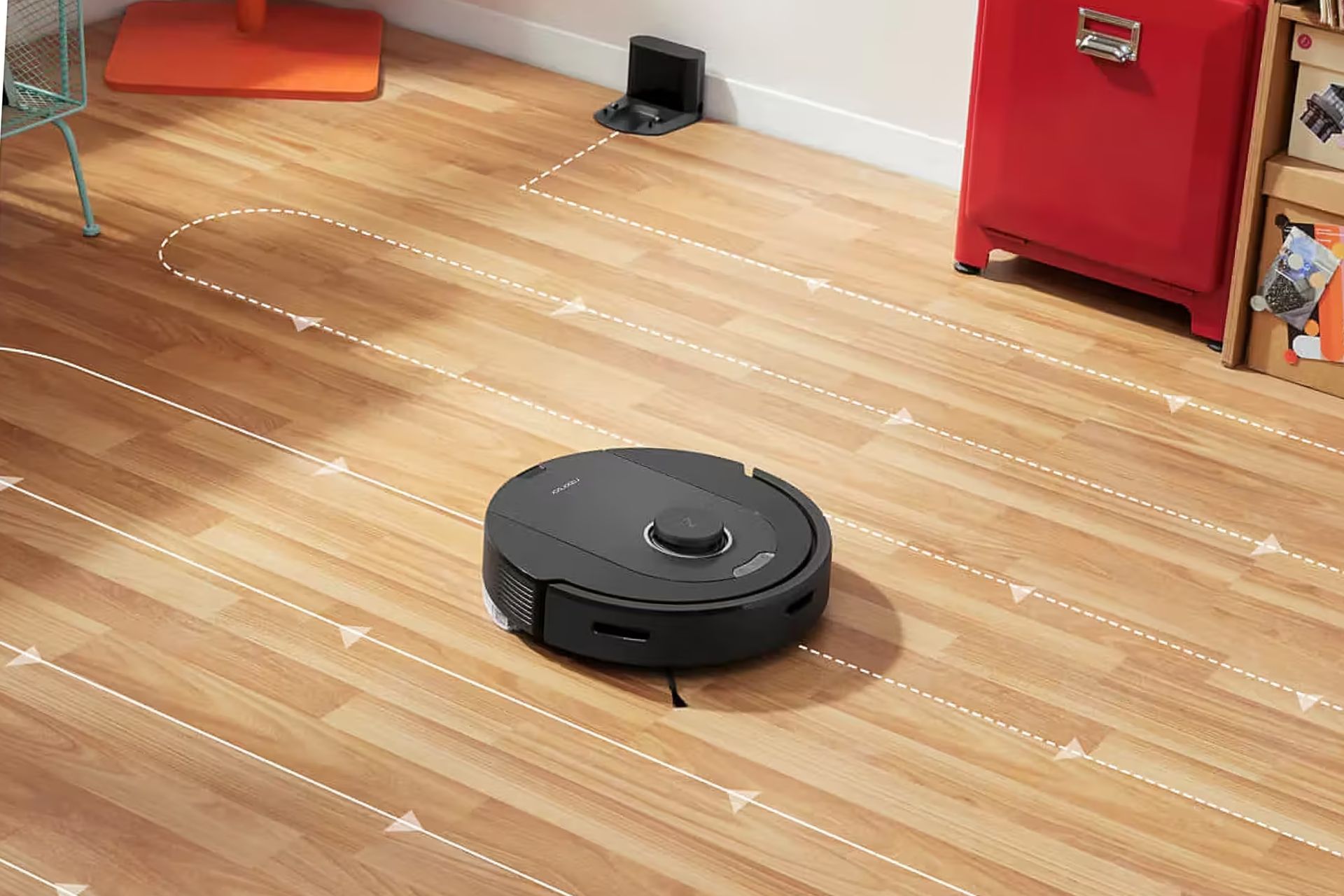
The greatest advantage is convenience. You can set a robot vacuum to clean while you work, sleep, or even when you’re away from home. Unlike traditional vacuums, where you push, pull, lift, and manually control every movement, robot vacuums work autonomously once programmed. Many people appreciate this because cleaning becomes passive rather than active.
Advanced models even map your home, create cleaning schedules, and detect high-traffic areas that require more frequent suction. For households with busy work schedules, babies, or pets, this automated operation can drastically reduce daily dust and dirt accumulation.
2. Improves Daily Cleanliness and Air Quality
Frequent cleaning helps maintain a dust-free environment, especially in homes with allergies or shedding pets. Since robot vacuums can run every day — sometimes multiple times — they prevent buildup of allergens, hair, and small debris. While you may still need deep cleaning occasionally, your floors stay significantly cleaner between manual sessions.
With sensors detecting dirt concentration, some devices automatically intensify suction over dirty spots, maintaining consistent air freshness and surface hygiene without manual intervention.
3. Robot Vacuums Save Time for Busy People
Time freedom is a priceless benefit. Instead of spending 30–60 minutes vacuuming manually, you can delegate this task completely. Imagine reading a book, cooking dinner, finishing a project, or relaxing — all while your home cleans itself. Over weeks and months, this saved time compounds into hours of regained productivity.
For parents, business owners, and elderly households, this time efficiency can dramatically improve lifestyle comfort.
4. Smart Navigation and Obstacle Detection
Modern robot vacuums use laser mapping, gyroscopic navigation, and AI-powered scanning to avoid obstacles. They can clean around furniture, slide under couches, detect stairs, and navigate difficult corners. Higher-end models even remember room layouts and optimize cleaning routes, reducing runtime while improving coverage accuracy.
Their intelligence continues improving with firmware updates, making navigation smarter over time.
5. Compact, Quiet, and Energy Efficient
Traditional vacuum cleaners are bulky and loud. Robot vacuums are compact, store easily in small homes or apartments, and generate less noise. You can let them run at night or during work hours without major disturbance. Additionally, they consume less electricity than upright vacuum cleaners, offering long-term energy savings — especially with regular use.
6. Ideal for Pet Owners
If you own dogs or cats, you know how fast fur accumulates. Robot vacuums are extremely beneficial in these environments because they can run daily to minimize hair buildup. Some models include tangle-free brush systems, HEPA filters, and extra suction designed specifically for pet households. This means fewer allergens, fewer dust balls, and cleaner carpets without constant effort.
⚠️ Key Disadvantages of Robot Vacuums
1. More Expensive Than Traditional Vacuums
One of the biggest drawbacks is price. Although budget models exist, high-quality robot vacuums with strong suction, mapping features, and self-emptying docks can cost hundreds of dollars — sometimes even more than premium upright vacuums. For budget-focused households, this upfront investment may feel heavy unless long-term use justifies the cost.
2. Not a Complete Replacement for Deep Cleaning
Robot vacuums provide daily surface maintenance, but they cannot fully replace deep cleaning. Carpets with thick fibers, stairs, shelves, and furniture upholstery still require manual cleaning tools. Large spills, mud, or heavy debris also remain challenging. A robot vacuum is an assistant, not a total replacement.
3. Maintenance and Part Replacement Costs
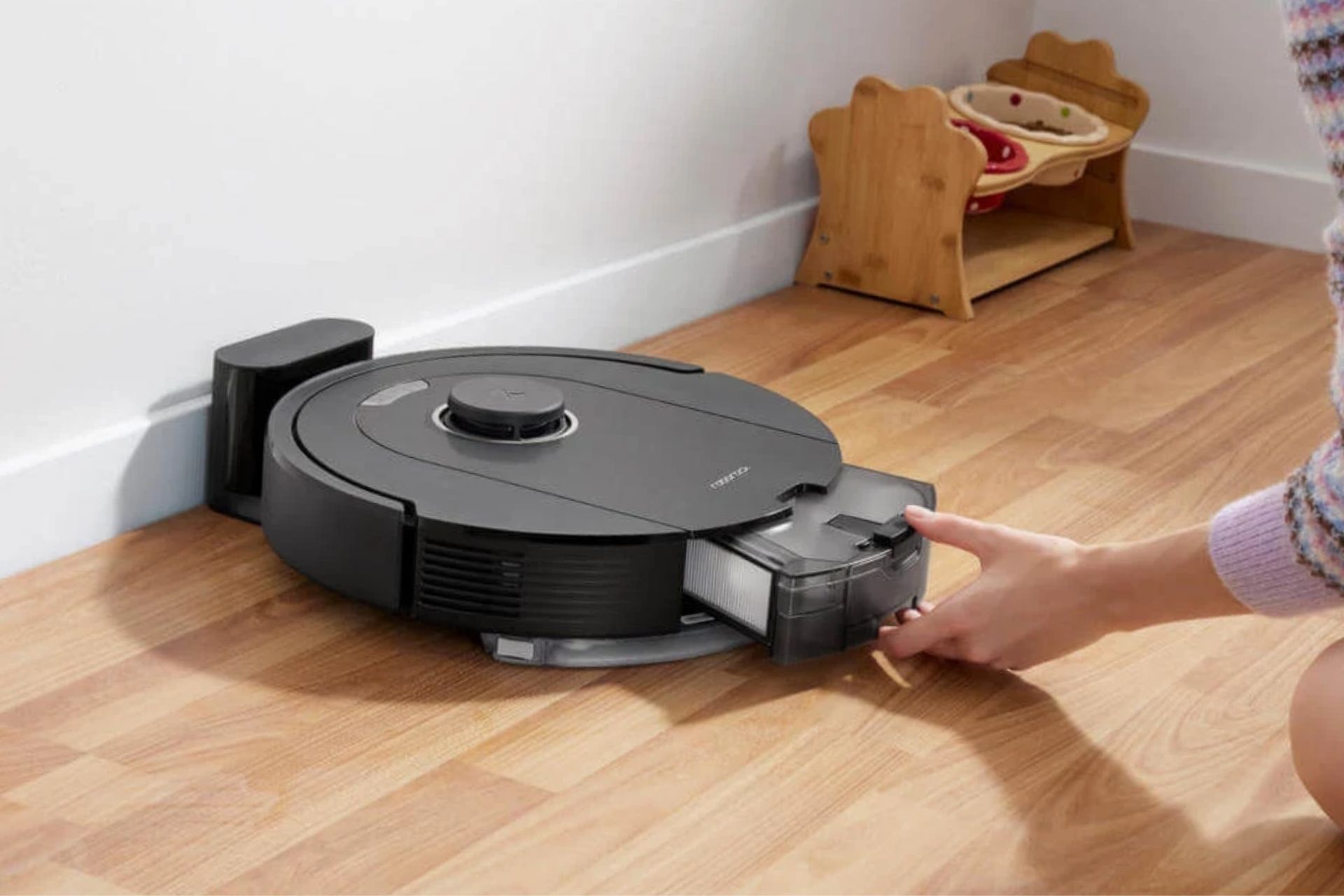
Dust bins need emptying, brushes accumulate hair, and filters require occasional replacement. Over time, maintenance adds cost and effort. If you ignore cleaning the robot’s internal parts, suction weakens and navigation may malfunction. Therefore, robot vacuums still require human responsibility — just less frequent than standard vacuuming.
4. Navigation Struggles in Cluttered Rooms
Homes with cables, toys, rugs with long threads, or many small obstacles can frustrate robot vacuums. They may get stuck, repeatedly bump objects, or miss entire areas if sensors fail to detect them accurately. You may need to tidy the floor before cleaning, which reduces the device’s convenience.
5. Battery Life Limitations
Although battery life continually improves, long cleaning cycles still drain power quickly, especially in large homes. Low-battery robots automatically return to charging docks, but this extends overall cleaning time. For multi-level houses, frequent recharging becomes a repeated cycle that slows efficiency.
6. Noise Still Exists — Even if Lower
Robot vacuums are quieter than traditional vacuums, but they are not silent. High-suction modes, especially on carpets, produce noticeable sound. If you expect silent operation, you might still find cleaning noise somewhat distracting.
🏡 When Robot Vacuums Are Most Useful
Robot vacuums shine in households that value automation, time efficiency, and daily cleanliness. They work exceptionally well in:
| Ideal Home Types | Reason |
|---|---|
| Busy professionals | Maintains floors daily with no manual effort |
| Small apartments | Easy navigation & quick charging cycles |
| Pet-friendly homes | Reduces fur buildup, dander, and allergens |
| Elderly users | Minimal physical effort required |
| Smart-home users | Integrates with Alexa, Google Home & schedules |
If your home aligns with these categories, a robot vacuum can elevate convenience significantly.
🏠 When a Traditional Vacuum Might Still Be Better
Robot vacuums may not be the best choice for everyone. You might prefer a traditional vacuum if:
- You need deep cleaning regularly
- Your home has high-pile carpets or uneven surfaces
- You don’t want to handle maintenance tasks
- Budget is tight and you want maximum suction for the price
- Your home layout is cluttered or obstacle-heavy
In these cases, a cordless stick vacuum or upright model may provide better long-term value.
Features to Consider Before Buying a Robot Vacuum
Choosing the right model requires evaluation based on your home environment, floor type, and expectations.
Important Factors:
✔ Suction power & brush design
✔ Battery capacity & runtime
✔ Mapping accuracy & smart navigation
✔ Dust-bin size or self-emptying system
✔ Carpet vs hardwood performance
✔ Noise level during operation
✔ Mobile app control & scheduling
A robotic vacuum with powerful suction but weak navigation may miss areas. Meanwhile, a quiet but low-suction device may struggle with carpets and pet fur. Balancing features ensures long-term satisfaction.
Final Verdict — Should You Buy a Robot Vacuum?
After exploring the advantages and disadvantages of robot vacuums, the conclusion is clear: this device is most valuable for people who prioritize convenience, daily automated cleaning, and maintenance-free freshness in their home. While robot vacuums require initial investment and occasional maintenance, their ability to save time and reduce cleaning effort often outweighs the downsides.
If you want a smart device that cleans while you rest, work, or travel — a robot vacuum is absolutely worth considering.