Introduction
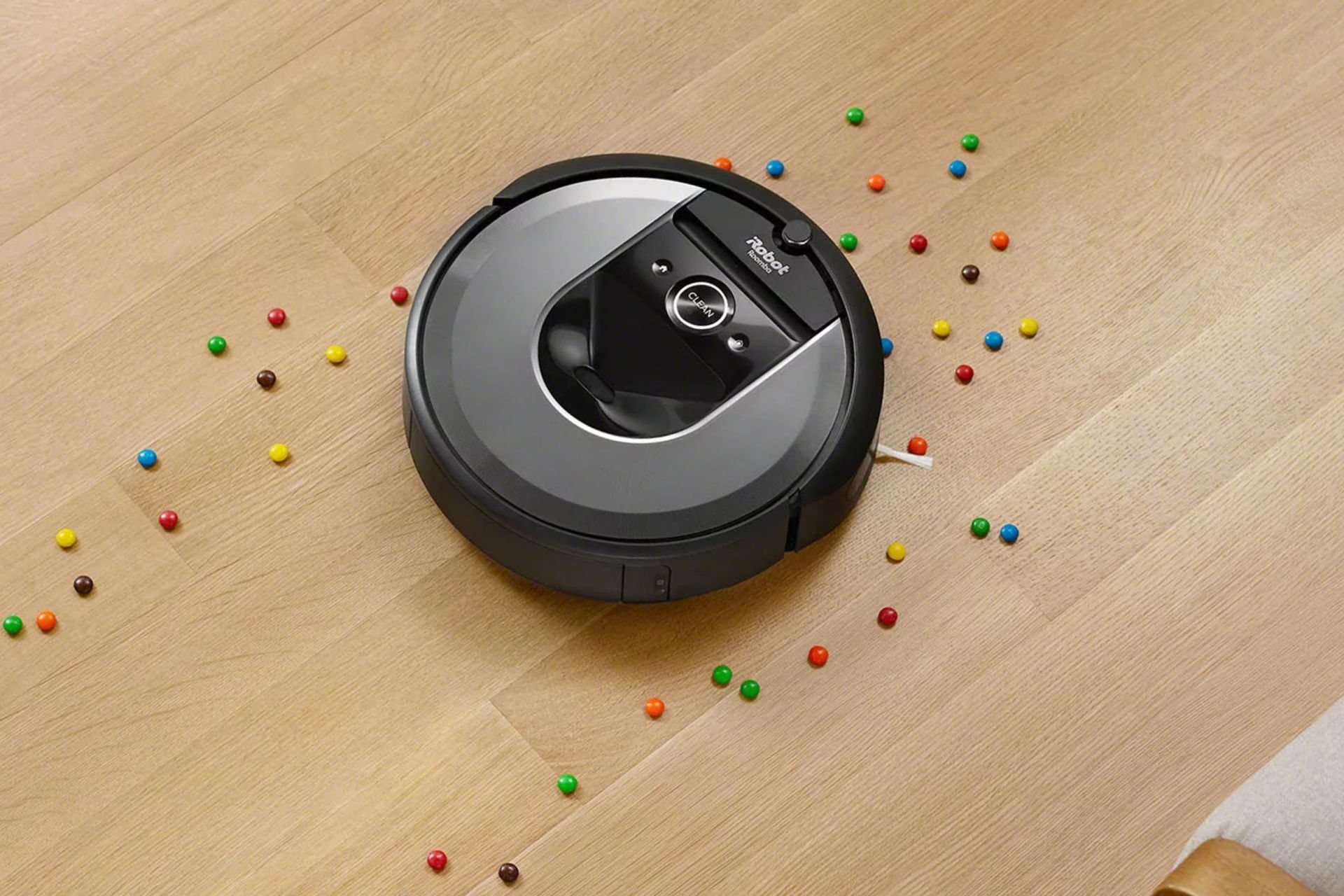
Living with pets brings joy—but cleaning up after them is another story. Many homeowners wonder whether a Robot Vacuum is smart enough to detect, avoid, and navigate around dog poop. With AI-powered mapping, advanced sensors, and machine-learning algorithms, robot vacuums are becoming far more reliable than earlier generations, which were infamous for smearing messes across the entire living room.
In this comprehensive guide, we explore whether robot vacuums can truly avoid dog poop, which models perform best, how the technology works, and what pet owners must know before investing in one.
How Robot Vacuum Technology Has Evolved
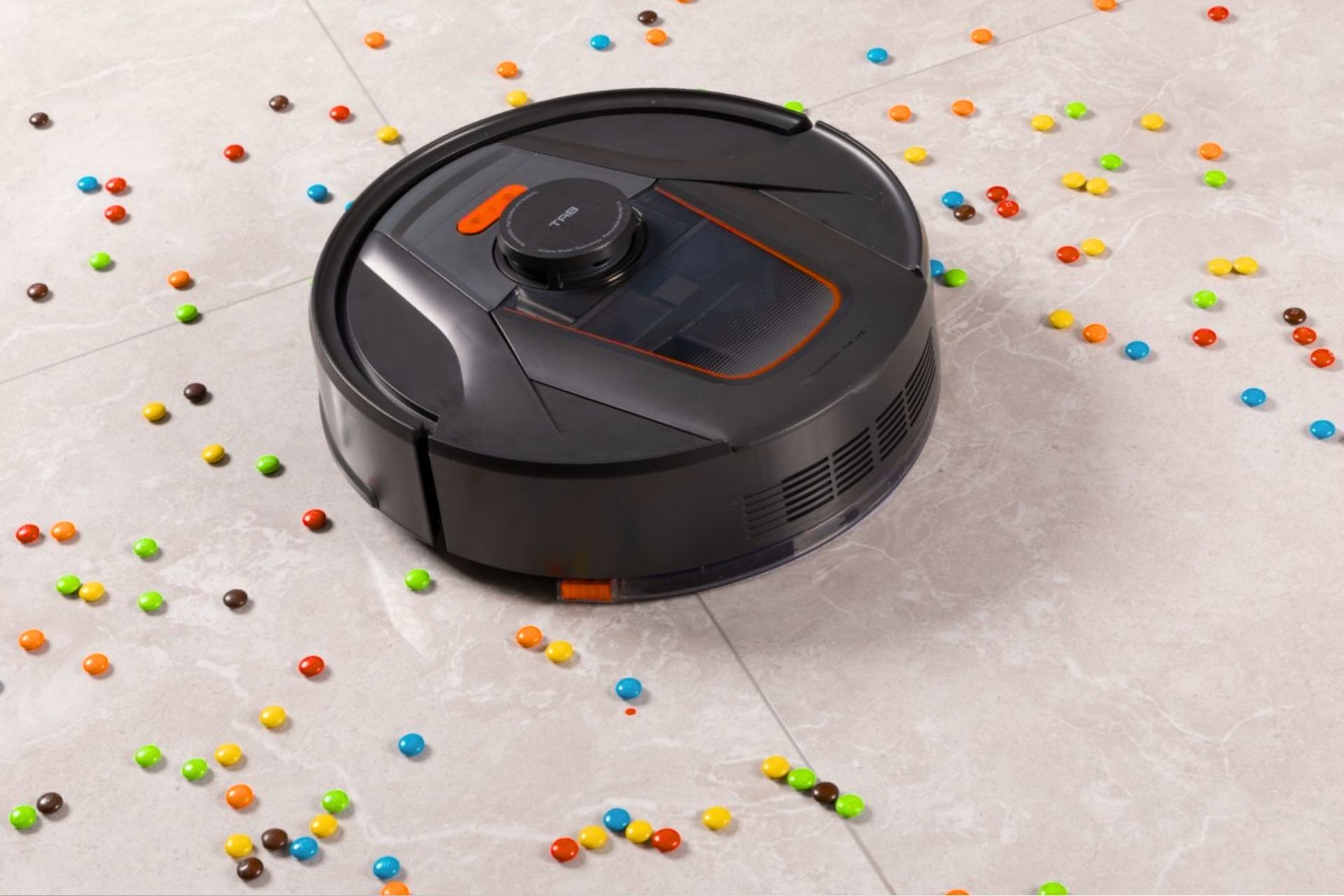
The earliest robot vacuums relied on bump sensors and basic navigation. They could detect walls or furniture but had no capacity to identify small, solid obstacles on the floor—especially something organic like dog poop.
From Simple Sensors to AI Vision
Modern robot vacuums now come equipped with one or more of the following:
- AI obstacle recognition
- LiDAR scanning
- 3D structured-light sensors
- RGB cameras
- Machine-learning training datasets
These newer systems help a robot vacuum visually identify and avoid dog poop, charging cables, socks, toys, and other small debris.
Why Dog Poop Is Difficult to Detect
Even with improvements, dog poop presents unique challenges:
- Irregular shape
- Similar color to flooring
- Soft or mushy texture
- Low height profile
These factors demand highly trained AI models that can recognize pet waste in various lighting conditions, flooring types, and angles.
Do Today’s Robot Vacuums Actually Avoid Dog Poop?
The short answer: Yes—many models can. But not all.
High-End Robot Vacuums Perform Best
Robot vacuums with advanced obstacle avoidance features, such as AI vision or 3D sensing, offer the highest reliability. Brands like Roborock, iRobot, Ecovacs, and Eufy have improved detection capabilities dramatically in recent years.
Mid-Range Models: Partial Reliability
Some mid-tier robot vacuums include obstacle detection but may struggle with smaller or darker debris. They might slow down near suspected obstacles but sometimes make mistakes.
Budget Robot Vacuums: Mostly Guesswork
Entry-level robot vacuums typically rely on bump sensors and infrared detection, meaning they cannot identify dog poop at all. If they encounter a mess, they will run through it, drag it across the floor, and potentially contaminate the entire home.
Why Poop Detection Has Become a Priority for Robot Vacuum Brands
Pet ownership globally is increasing, and with it comes the demand for automated cleaning. Brands have recognized that the “poop problem” is one of the biggest fears stopping people from buying robot vacuums.
Marketing Pressure
After years of user complaints and viral horror stories, manufacturers began promoting “Pet Waste Avoidance” as a premium feature.
AI Training
Robot vacuum companies now train algorithms using thousands of real pet waste images so the devices can recognize dog poop in different conditions.
Competitive Differentiation
The better a brand can avoid dog poop, the more confident customers feel.
How Robot Vacuums Recognize Dog Poop
The process involves multiple steps that combine AI, visual sensors, and real-time analysis.
1. Image Capture
The robot’s forward-facing camera records images as it moves.
2. Pattern Detection
Machine-learning models detect shapes and textures resembling dog poop.
3. Object Classification
The system compares what it sees with training data to classify it as waste.
4. Avoidance Behavior
The robot vacuum:
- Stops movement
- Adjusts its path
- Maps the obstacle
- Circles around it carefully
This step ensures no smearing occurs.
5. Notification to User
Some robot vacuums send alerts through mobile apps, allowing users to confirm whether it was pet waste or something else.
Robot Vacuum Features That Improve Pet Waste Avoidance
When choosing a robot vacuum that can avoid dog poop, look for the following features:
AI Obstacle Recognition
Algorithms trained in identifying small items and organic materials help significantly reduce errors.
RGB Cameras
A camera-based robot vacuum sees the environment like a human—critical for detailed object detection.
3D Structured Light Sensors
These project patterns onto the floor to measure the height and shape of obstacles.
LiDAR Mapping
LiDAR offers precise navigation but requires combination with cameras for reliable poop detection.
LED Illumination
Helps the robot detect pet waste even in low-light conditions, such as under furniture.
Pet-Specific Cleaning Modes
Some robot vacuums include modes optimized for homes with dogs, focusing on:
- Hair pickup
- Enhanced suction
- Auto-empty functionality
Top Robot Vacuum Models Known for Poop Avoidance
Below are models highly rated for dog poop detection and avoidance.
iRobot Roomba Combo j7+
- Marketed as the first robot vacuum that guarantees pet waste avoidance
- Uses advanced AI training
- Provides Poop Detection Guarantee in some regions
Roborock S8 Pro Ultra
- 3D structured-light and AI camera
- Excellent obstacle recognition
- High suction power and self-cleaning base
Ecovacs Deebot X2 Omni
- Wide-angle RGB camera
- Strong edge cleaning
- Reliable pet waste avoidance
Eufy X10 Pro Omni
- Good entry-level AI detection
- More affordable but still effective
Limitations of Robot Vacuums in Detecting Dog Poop
Even the most advanced robot vacuum is not 100% perfect.
Lighting Problems
Low-light areas may reduce detection accuracy unless LEDs or IR illumination are included.
Random Pet Accidents
New messes occurring after a mapping run might be spotted late.
Texture Variability
Soft or smeared poop is harder for cameras to classify.
Very Small Waste
Tiny droppings may be overlooked depending on sensor sensitivity.
How to Reduce the Chance of a Robot Vacuum Poop Disaster
Even with advanced technology, you can further ensure your robot vacuum avoids dog poop by using these best practices:
1. Use a Pet Camera or Monitor Behavior
If your dog is sick or prone to accidents, monitor it before scheduling a cleaning cycle.
2. Schedule Cleaning After Walks
Run the robot vacuum after your pet has been outside and is less likely to leave an unexpected mess.
3. Use a Self-Emptying Robot Vacuum
These models need fewer manual interactions, reducing chances of human error.
4. Train Your Robot Vacuum Regularly
Some models learn better over time through user feedback in the app.
5. Provide Adequate Lighting
Turn on lights or use smart plugs to activate lamps before cleaning cycles.
Cleaning Up If a Robot Vacuum Does Hit Dog Poop
Accidents happen—even with high-tech detection. If your robot vacuum runs over dog poop:
- Turn it off immediately
- Wear gloves
- Remove debris from wheels, brushes, and compartments
- Sanitize internal components
- Use a cleaning brush and mild disinfectant
Do not run the robot vacuum again until all components are clean and dry.
Should You Trust a Robot Vacuum With Pets at Home?
If your home has pets, a robot vacuum can still be an excellent investment—even more so than in non-pet homes.
Reasons Pet Owners Benefit the Most
- Continuous hair removal
- Cleaner floors
- Reduced allergens
- Automated daily maintenance
As long as the model includes pet waste avoidance, you can rely on it for safe, efficient cleaning.
When to Avoid a Robot Vacuum
If your dog frequently has digestive issues or unpredictable accidents, you may want to supervise cleaning sessions or choose a model with guaranteed poop avoidance coverage.
Future of Robot Vacuums: Will Poop Detection Become Perfect?
Absolutely—manufacturers are rapidly improving AI and adding:
- Larger training datasets
- Multi-angle camera systems
- Smell sensors (in development)
- More advanced obstacle labeling
- Deep-learning upgrades via firmware updates
Within a few years, we may see robot vacuums capable of 99% to 100% accurate detection.
Conclusion
So, can robot vacuums really avoid dog poop? The answer is yes—if you choose a modern Robot Vacuum equipped with AI vision and advanced obstacle detection. While no device is absolutely flawless, the latest technology significantly minimizes the risk of messy disasters. As AI improves, robot vacuums will become even more reliable companions for pet-friendly households.