Introduction
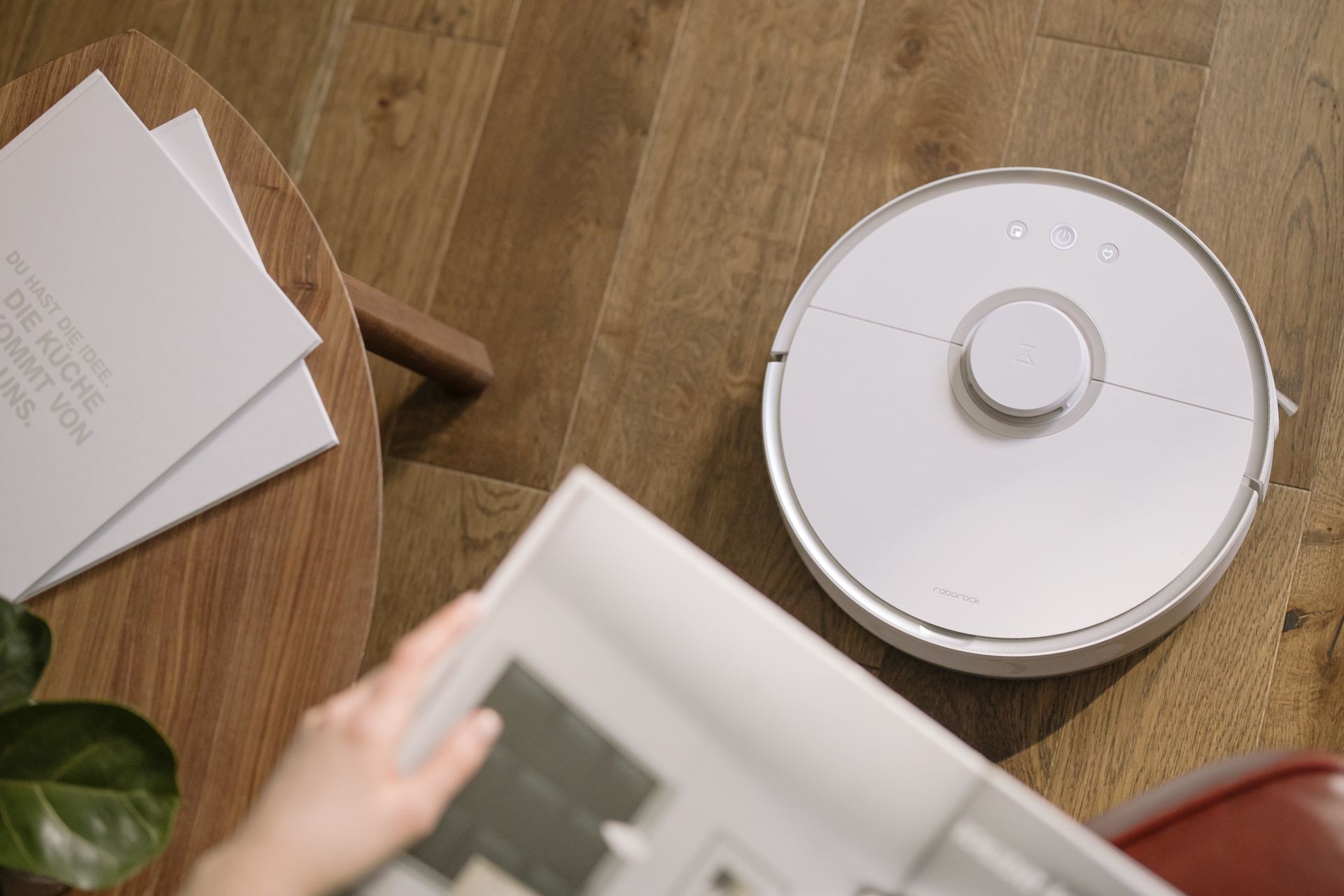
In recent years, robot vacuums have revolutionized home cleaning with automation and smart features that reduce daily housework. Instead of pushing a manual vacuum around the house, you can schedule an autonomous device to clean floors while you relax, work, or even sleep. Technology continues advancing — better mapping, stronger suction, self-emptying systems — leading many to ask the big question: Can robot vacuums replace traditional vacuum cleaners completely?
This 2500-word guide finally answers it. We will examine suction power, deep-cleaning ability, carpet performance, maintenance, long-term durability, and overall cleaning consistency. You’ll also learn where robot vacuums excel and where traditional vacuums still lead. By the end, you’ll know whether switching fully to robotic cleaning is practical for your lifestyle.
1. What Robot Vacuums Do Better Than Traditional Vacuums
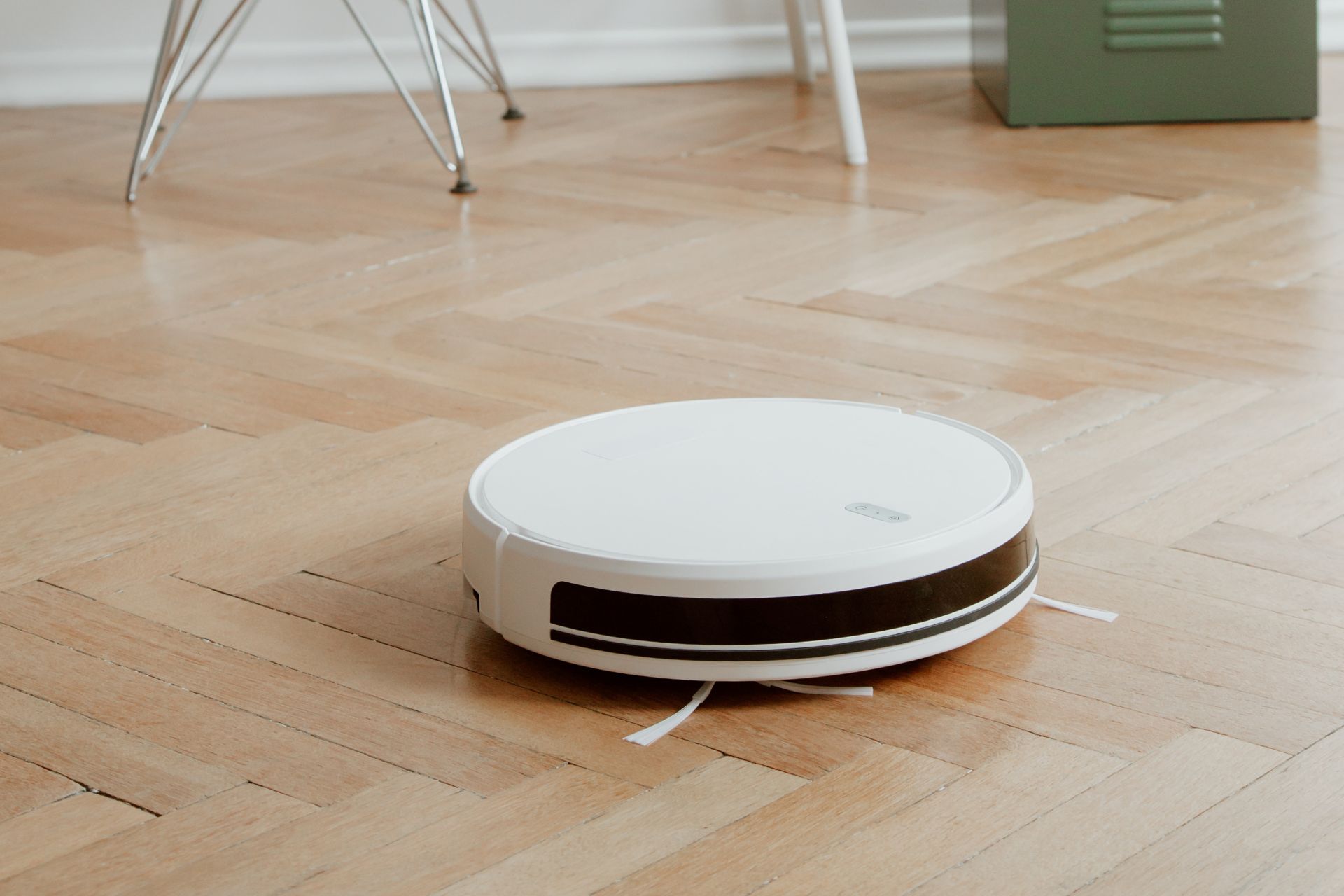
Robot vacuums perform certain cleaning tasks more efficiently than upright cleaners, especially for daily maintenance. Their primary advantage is automation. While a traditional vacuum requires time, energy, and effort, a robot vacuum can operate independently.
✔ Daily automatic cleaning
You can program schedules so the robot cleans once per day or multiple times a week. Dust, crumbs, and pet fur are removed before buildup happens. Traditional vacuums usually get used less often because they require manual operation.
✔ Fits into tight, low areas
Many robot vacuums slide under sofas, beds, tables, and hard-to-reach corners where full-size vacuums struggle. This prevents dust accumulation in hidden spaces that are often forgotten during manual cleaning.
✔ Smart navigation saves time
Modern models use sensors, laser mapping, and AI to detect obstacles and create cleaning routes. Over time, they learn your room layout and optimize cleaning paths. A traditional vacuum can clean more powerfully but depends entirely on user control.
✔ Works while you’re busy or outside
Robot vacuums allow multitasking — cook dinner, watch a movie, go to work, or leave the house while your floors get cleaned. Traditional vacuums demand full physical involvement.
2. Where Traditional Vacuum Cleaners Still Have the Advantage
Despite incredible progress in automation, traditional vacuum cleaners remain superior in several areas — especially deep cleaning.
✔ Better suction for thick carpets
Even premium robot vacuums struggle with high-pile rugs and embedded dirt. Upright vacuums with motorized brush rollers deliver stronger agitation, lifting debris trapped deep inside carpet fibers.
✔ More effective for large debris
Robot vacuums handle dust, crumbs, and pet hair well, but stones, cereal pieces, or mud clumps may clog the brush. Manual vacuums intake larger debris instantly with no performance drop.
✔ Faster deep cleaning for the whole house
A traditional vacuum can clean an entire home in one session. Robot vacuums may require multiple recharge cycles, especially in large houses. Cleaning time stretches longer despite automation.
✔ Better edge and stair cleaning
Robot vacuums struggle with stairs and sometimes leave small gaps along wall edges. Upright vacuums with hose attachments clean baseboards, corners, upholstery, and stair treads with ease.
In short, manual vacuums provide raw power and thorough cleaning depth, while robot vacuums shine in daily maintenance.
3. Can Robot Vacuums Replace Traditional Vacuums for Everyday Use?
For some households — yes. For others — not fully. It depends on three key factors:
Home size
Small homes or apartments benefit greatly from robot vacuums. They can cover the entire area without frequent recharging. In large multi-floor houses, switching floors or rooms can slow cleaning efficiency.
Floor type
Hardwood, tile, vinyl, and low-pile carpets are ideal for robot vacuums. Thick rugs, deep carpets, or textured flooring reduce suction performance. Traditional vacuums are more universal.
Lifestyle
People who travel often, work long hours, or dislike daily cleaning tasks find robot vacuums life-changing. Families with children, shedding pets, or allergy concerns benefit from consistent automatic cleaning.
So while robot vacuums may not totally replace deep cleaning yet, they significantly reduce the frequency of manual vacuum use.
4. Robot Vacuum Technology is Rapidly Evolving
Robotic cleaning technology improves every year, bringing the industry closer to full replacement potential.
Key advancements include:
- Self-emptying dust bins
- Room-mapping memory
- AI object recognition
- Carpet turbo boost suction
- Pet-hair-proof roller brushes
- Multi-floor cleaning support
- Voice-assistant integration
Some models now clean better than low-end manual vacuums. With future upgrades, robots could surpass traditional cleaners entirely.
5. Cost Comparison: Robot Vacuum vs Traditional Vacuum
A high-end robot vacuum can cost significantly more than a standard vacuum cleaner. However, the value is measured by time savings — not just cleaning power.
| Type | Average Price | Cleaning Effort | Best Use |
|---|---|---|---|
| Robot Vacuum | $150 – $1200+ | Hands-free | Daily maintenance |
| Upright Vacuum | $70 – $500 | Manual labor | Deep cleaning & carpets |
Robot vacuums offer convenience; traditional vacuums offer strength. Many households now use both.
6. Maintenance Requirements: Which One Is Easier?
Robot vacuums reduce active housework, but they require periodic maintenance.
Robot Vacuum Maintenance:
- Empty dust bin or auto-dock bag replacement
- Clean sensors and wheels
- Remove tangled hair from brushes
- Replace filters periodically
Traditional Vacuum Maintenance:
- Bag or canister emptying
- Occasional filter change
- Brush cleaning when needed
Robot maintenance is lighter but more frequent. Manual vacuums need less attention but require more effort per session.
7. Who Can Replace Their Traditional Vacuum Completely?
Some homes can rely only on robot vacuums, depending on conditions:
✔ Homes with mostly hard floors
✔ Apartments under 120m²
✔ Minimal furniture obstruction
✔ No thick carpets or heavy debris
✔ Owners who prioritize convenience over deep cleaning
If you meet these criteria, a robot vacuum could replace traditional cleaning nearly 100%.
8. Who Should Keep Both Vacuum Types?
Most households benefit from pairing both devices. The robot manages everyday dust while the manual vac handles monthly deep cleaning.
Best suited for dual use:
✔ Families with children dropping food
✔ Pet owners dealing with shedding fur
✔ Homes with multiple carpet layers
✔ Houses with stairs or tight corners
✔ People who want the cleanest floors possible
Robot vacuums reduce workload — they don’t eliminate it.
Conclusion
So, can robot vacuums replace traditional vacuum cleaners? The answer depends on your home, flooring style, cleaning expectations, and lifestyle needs. Robot vacuums excel in daily automated cleaning and save valuable time, while upright vacuums still outperform them in deep cleaning and carpet agitation. Many households now combine both for maximum efficiency.
If you value convenience, automation, and modern smart cleaning, a robot vacuum is one of the best upgrades you can make to your home.