Introduction
Cleaning narrow corners, hidden gaps, and cluttered zones becomes much easier when you know how to vacuum in tight spaces using the right vacuum cleaner tools and techniques. Many people struggle with dirt buildup in areas their standard vacuum cannot reach, but with the correct strategy, you can keep even the deepest nooks spotless. This guide provides actionable methods, recommended attachments, and expert tips to help you achieve a more thorough clean without frustration.
Why Tight Spaces Require a Specialized Vacuum Cleaner Approach
Vacuuming open floors is simple, but tight spaces present a challenge because standard nozzles cannot reach into narrow corners or underneath certain furniture. Dust, crumbs, pet hair, and allergens often accumulate in these areas, reducing overall hygiene and indoor air quality. Using a vacuum cleaner with proper attachments or design features allows you to target these zones more effectively and maintain a truly clean home.
Essential Vacuum Cleaner Tools for Tight Spaces
Using the right attachment makes a dramatic difference in how thoroughly you can vacuum confined areas.
1. Crevice Tool
This is the most important accessory for cleaning narrow areas. Its thin, angled shape is designed to reach window tracks, baseboard edges, between appliances, and along sofa seams.
2. Dusting Brush
For tight spaces that require gentle cleaning—like around vents or intricate furniture details—the dusting brush lifts debris while protecting delicate surfaces.
3. Mini Motorized Head
Perfect for tight spaces with upholstery or carpet, this attachment uses a small rotating brush to remove embedded dirt in places where the full-sized head cannot fit.
4. Flexible Hose Extension
A bendable hose helps navigate around obstacles, providing access to spaces behind heavy appliances, shelves, or entertainment units.
How to Vacuum Under Furniture Without Straining Yourself
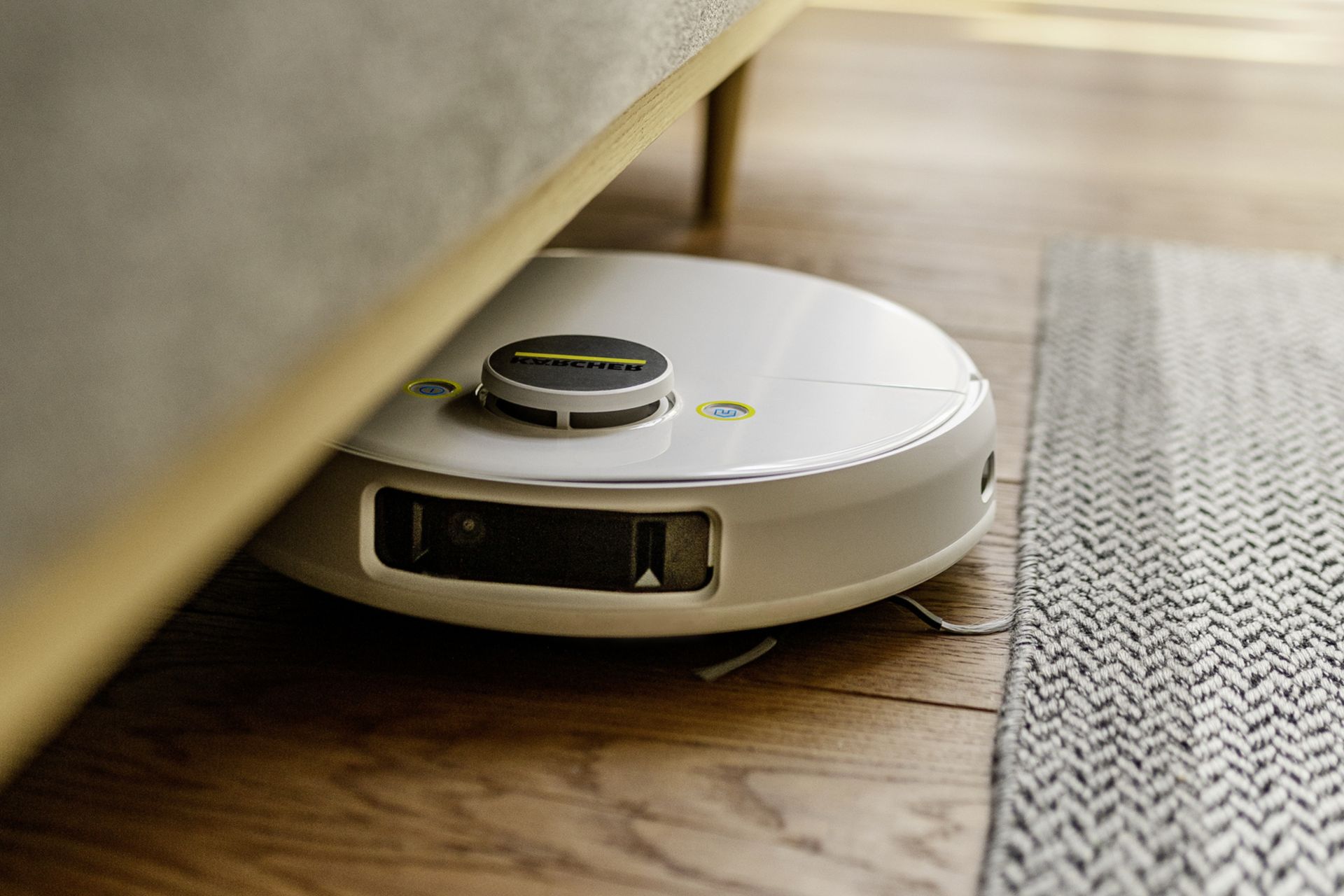
Cleaning under beds, couches, or cabinets can be challenging if your vacuum cleaner doesn’t have a low-profile head or flexible handle.
Use a Flat Vacuum Head
Some vacuum models offer slim swivel heads that are engineered for sliding under furniture without lifting. They provide enough suction to remove dust balls, pet hair, and allergens.
Attach a Hose and Crevice Tool
If the furniture is exceptionally low to the floor, remove the main head entirely and use the hose plus crevice attachment. This setup can reach further than most rigid vacuum sticks.
Try a Vacuum Cleaner With LED Headlights
LED lights illuminate the floor beneath dark furniture, helping you see hidden debris and ensuring a more complete clean.
Techniques for Vacuuming Between Appliances
Kitchens and laundry rooms are hotspots for crumbs, lint, and spills that gather in narrow gaps.
Turn Off and Unplug Appliances
Safety comes first—always ensure appliances are disconnected before cleaning around them.
Use Long, Narrow Attachments
A vacuum cleaner with a long crevice tool is necessary for the narrow spaces between the fridge and counter or between the washer and wall.
Add a Flexible Wand
A flexible wand lets you maneuver around cords and plumbing lines. It reaches angles that rigid attachments cannot access.
Finish with a Microfiber Cloth
After vacuuming, wipe the sides of appliances to remove any leftover dust.
How to Clean Window Tracks and Sliding Door Rails
These slim, dirt-prone areas often require a combination of vacuuming and detail cleaning.
Start With the Crevice Tool
Use high suction to pull out loose dirt and sand from the track.
Brush Loose Debris
A small cleaning brush or old toothbrush loosens compacted grime so the vacuum cleaner can remove it more efficiently.
Use a Narrow Nozzle With High Power
Some vacuum cleaners include turbo settings specifically for deep-cleaning corners—ideal for tight window tracks.
Vacuuming Inside Your Car’s Tightest Interior Spaces
Cars contain some of the most notoriously small and irregular cleaning areas.
Use a Portable Vacuum Cleaner
A cordless handheld vacuum cleaner makes maneuvering easier inside cramped cabins.
Clean Under Seats and Between Cracks
The crevice tool removes food crumbs and dust from seat tracks, cup holders, and console edges.
Use a Mini Motorized Brush for Upholstery
This attachment removes embedded dirt from cloth seats and floor mats more effectively than suction alone.
Finish With Detailing Tools
Tiny brushes and nozzles help remove dust from vents, dashboard seams, and electronic interfaces.
Tips for Vacuuming Narrow Staircases and Corners
Stairs collect dust quickly, especially along edges where the riser meets the tread.
Use the Edge Cleaning Feature
Some vacuum cleaner models include edge-cleaning bristles designed to lift debris from stair corners.
Switch to a Handheld Mode
Lightweight, handheld operation lets you control the angle and force more precisely.
Vacuum Both Vertical and Horizontal Surfaces
Stairs accumulate dirt on the horizontal step and the vertical riser, so always clean both surfaces for a complete result.
Choosing the Best Vacuum Cleaner for Tight Spaces
Not all vacuums are designed for detailed cleaning. Look for the following features:
Slim Profile
A vacuum with a slender body fits more easily behind and under furniture.
Strong Suction With Interchangeable Attachments
You need powerful suction to reach deep crevices, along with accessories designed for precision cleaning.
Cordless Operation
Cordless vacuum cleaners offer more freedom of movement inside tight areas.
Swivel Steering
This allows you to maneuver around obstacles without lifting or repositioning your entire vacuum.
Advanced Tricks for Extreme Tight Spots
For extremely hard-to-reach gaps—like behind immovable cabinets or narrow vents—these pro tips can help.
Use a Vacuum Cleaner Extension Kit
Extension kits include ultra-thin tubes that can slide into gaps as narrow as one inch.
Add a Soft Brush Tip
A brush tip loosens dust stuck to textured surfaces so your vacuum can remove it easily.
Try Compressed Air Before Vacuuming
Spraying compressed air dislodges stubborn particles from tight corners, making vacuuming more effective.
Use a Flashlight to Spot Hidden Dust
Shining a flashlight across the surface highlights debris you wouldn’t notice in regular lighting.
Conclusion
Mastering how to vacuum in tight spaces becomes much easier when you choose the right vacuum cleaner, use the proper attachments, and follow precise cleaning techniques. With these strategies, you can tackle every corner and crevice of your home, ensuring a cleaner, healthier living environment.